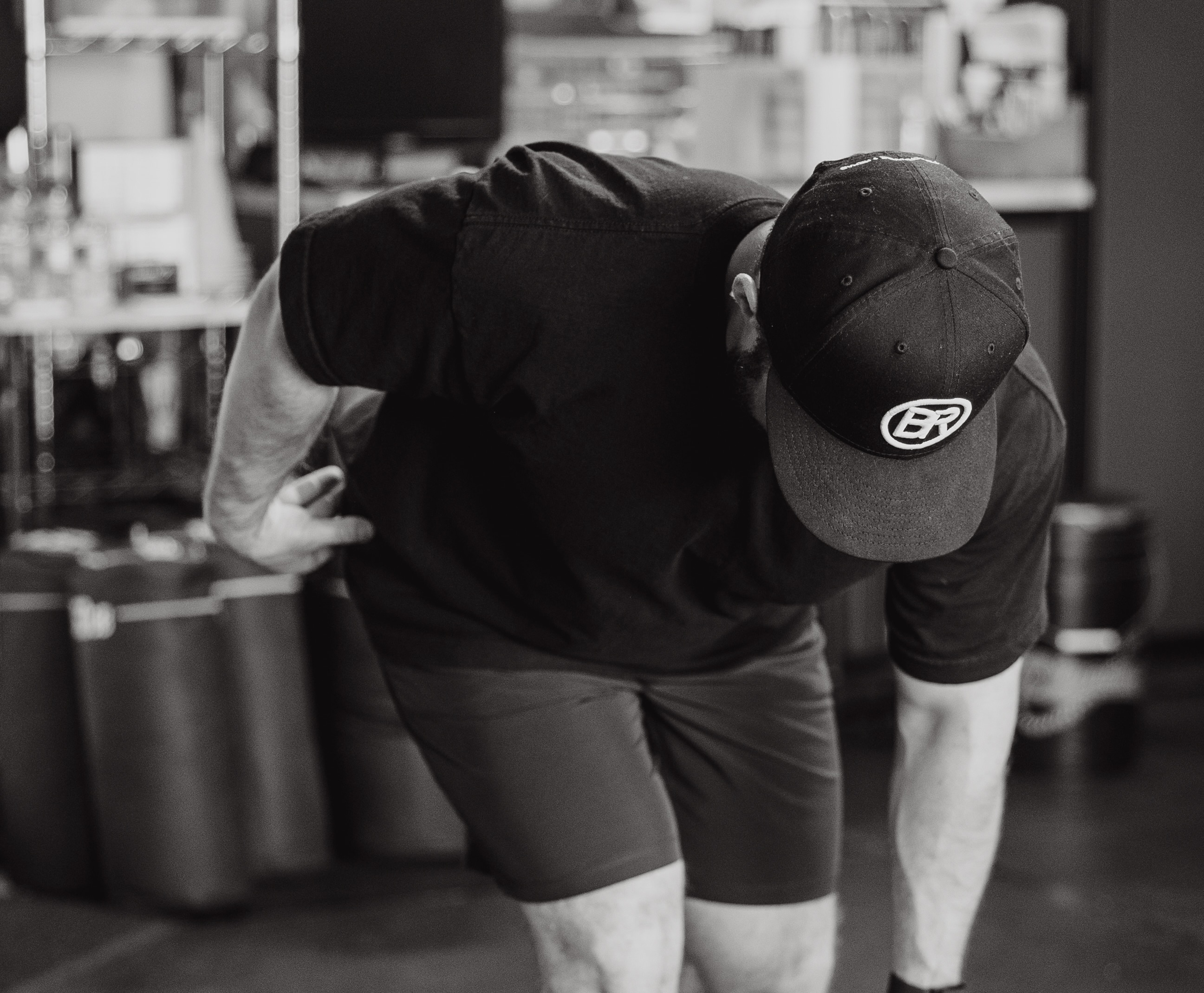
Low back pain is one of the most common reasons people walk into a physical therapy clinic. And while many assume the problem is weak muscles or tight tissue, the root cause is often much simpler and more fixable.
It’s a hinge problem.
At Bax Performance and Rehab, we see this daily: people bending, lifting, and moving by flexing their spine instead of loading their hips. Over time, that pattern adds up. The spine takes stress it wasn’t meant to handle repeatedly, while the hips — your strongest joints — barely do any work.
If you want to protect your back, move better, and stay strong long term, learning how to hinge correctly is non-negotiable.
What Is a Hinge Pattern?
A hinge is a movement where the majority of motion comes from the hips, not the spine. Think about movements like:
-
Deadlifting
-
Picking something up from the floor
-
Kettlebell swings
-
Jumping and landing
-
Bending forward to tie your shoes
In all of these, the hips should move back while the spine stays relatively stable. When that doesn’t happen, the low back ends up flexing and extending repeatedly under load, and that’s where problems start.
Why Most People Hinge Poorly
Many people bend by rounding their spine instead of sitting their hips back. This often happens because of:
-
Poor hip awareness
-
Weak glutes and hamstrings
-
Limited hip mobility
-
Lack of core control
-
Never being taught how to hinge correctly
Even strong lifters can hinge poorly. Strength doesn’t automatically equal good movement. Without proper mechanics, being strong just means you can apply more force in a bad position.
Over time, this creates a cycle:
-
Poor hinge → spinal overload
-
Spinal overload → low back pain
-
Low back pain → guarded movement
-
Guarded movement → even worse mechanics
Breaking that cycle starts with retraining the hinge.
Why the Spine Needs Stability, Not Motion
The spine is designed primarily for stability, while the hips are designed for movement and power. When you reverse those roles — letting the spine move excessively while the hips stay stiff — the system breaks down.
A good hinge allows you to:
-
Distribute load through the hips
-
Keep the spine neutral and supported
-
Reduce shear forces on the lumbar spine
-
Generate power efficiently
-
Move repeatedly without irritation
That’s why improving your hinge can significantly reduce back pain, even without directly “treating” the back.
A Simple Drill to Retrain the Hinge
One of the most effective ways to relearn a proper hinge is to lock the spine into position so the hips are forced to do the work.
Holding a weighted object close to the torso — such as a medicine ball — increases core engagement and helps prevent spinal motion. By gently bending the knees and pushing the hips back until they contact a wall, you create a clear target for hip movement while keeping posture intact.
Key focus points during this drill:
-
Maintain contact through the entire foot
-
Keep toes relaxed and on the ground
-
Avoid locking the knees
-
Keep posture tall through the chest
-
Let the hips move back, not the spine down
High-repetition sets (20–30 reps) work well as a warm-up or movement primer before training or daily activity.
How This Translates to Real Life
Hinging isn’t just a gym concept. It’s a daily-life skill. Every time you:
-
Pick something up
-
Load groceries
-
Bend forward at work
-
Train in the gym
-
Prepare to jump or sprint
…you’re using a hinge pattern.
When the hinge is clean, your back stays resilient. When it’s not, your back absorbs stress it wasn’t meant to handle.
Over time, refining this pattern helps you move more efficiently and reduces cumulative wear on the spine.
Why Athletes Benefit Even More from Proper Hinging
For athletes, hinging is foundational to performance. Sprinting, jumping, cutting, and lifting all rely on powerful hip extension. If the hinge is weak or poorly controlled, athletes often:
-
Lose power
-
Compensate with the spine
-
Struggle with recurring back tightness
-
Feel stiff or restricted during training
Rebuilding the hinge improves:
-
Force production
-
Movement efficiency
-
Injury resilience
-
Confidence under load
It’s one of the highest-return movement patterns you can train.
How to Integrate Hinge Work Into Your Routine
You don’t need to overhaul your program to improve your hinge. Start by:
-
Using hinge drills as a warm-up
-
Focusing on quality before load
-
Practicing slow, controlled reps
-
Pairing hinge work with core stability exercises
-
Reinforcing the pattern consistently
A few minutes of intentional hinge practice each day can dramatically change how your back feels over time.
When to Get Help
If you’ve dealt with persistent low back pain, stiffness with bending, or discomfort during lifting, it’s worth having your movement patterns assessed.
At Bax Performance and Rehab, we look at how your hips, spine, and core work together, not just where the pain shows up. By fixing the hinge, we often eliminate back pain at its source.
Watch the Video
Here’s a visual breakdown of a hinge drill used to reinforce hip-driven movement and spinal stability:
The Takeaway
Low back pain isn’t always about the back. Often, it’s about how you move.
Learning to hinge properly:
-
Shifts load to the hips
-
Protects the spine
-
Improves strength and performance
-
Reduces pain long-term
Master the hinge, and your back will thank you.
Ready to Fix Your Hinge?
If back pain keeps coming back or you’re unsure whether your mechanics are solid, we can help.
📞 Call/Text: (925) 397-0399
📧 Email: Abigail@BaxPerformanceRehab.com
Comments